

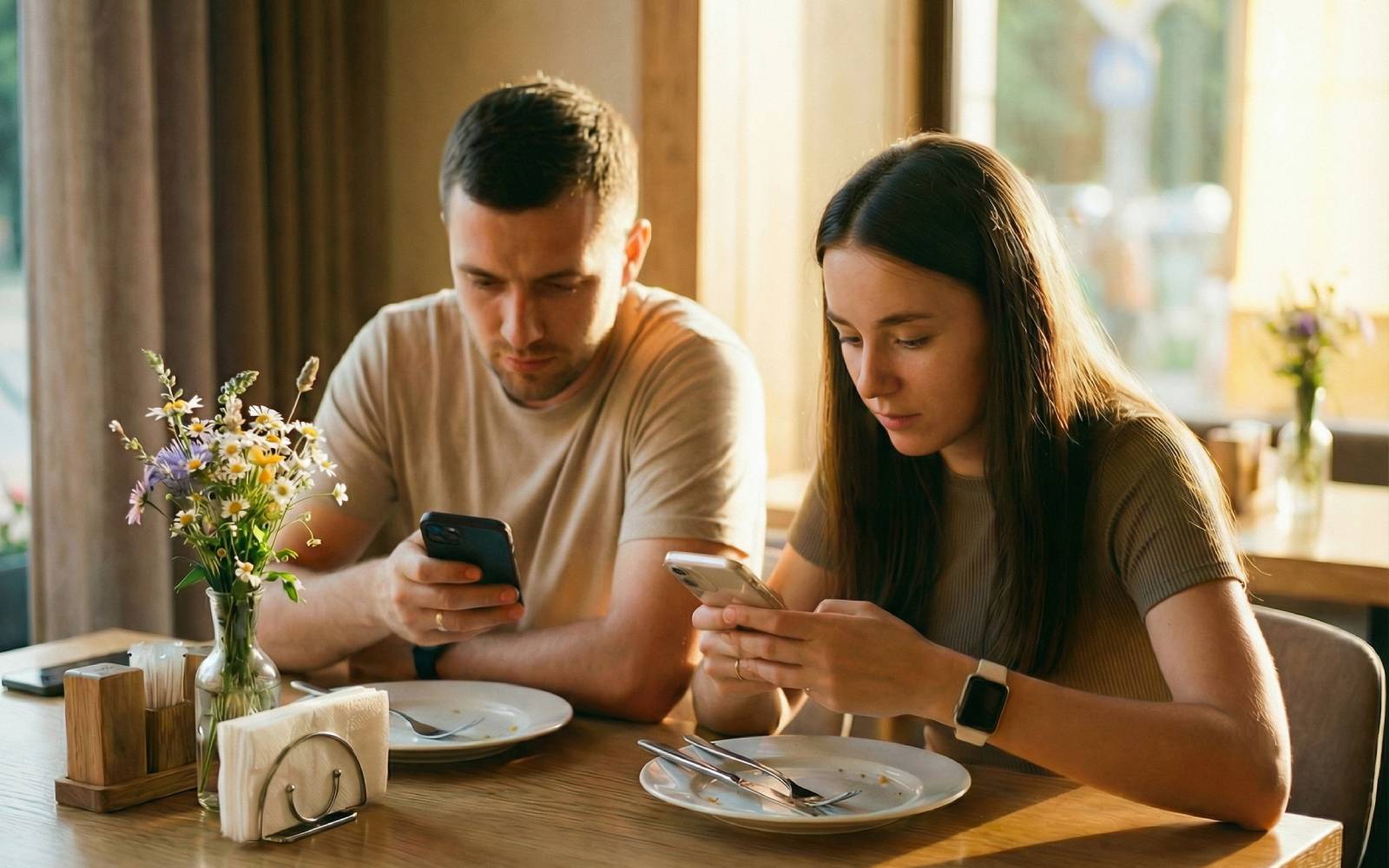
En todo restaurante hay clientes que han terminado de comer pero todavía esperan a que la visita llegue a su final natural. A veces simplemente descansan. Otras veces intentan llamar al camarero, recibir la cuenta o conseguir un terminal.
La ocupación prolongada de una mesa después de comer no siempre es una decisión del cliente. El objetivo es eliminar esperas evitables al final de la visita sin apresurar a nadie.
Es una cuestión operativa y económica
La rotación de mesas mide cómo aprovecha el restaurante la misma capacidad durante un servicio. Una mesa ocupada por clientes que disfrutan forma parte de la hospitalidad. Una mesa ocupada porque el pago es lento representa un problema operativo.
Por qué importan incluso unos minutos
Un pago más sencillo puede acortar la parte final de la visita sin modificar la comida. Unos minutos ahorrados en muchas mesas dan más flexibilidad en horas punta.
El impacto depende del local, el modelo de servicio y la demanda. La medida útil es cuánto tiempo de espera evitable genera hoy tu proceso, no un porcentaje universal.
Dónde se genera la espera
En el modelo tradicional suele aparecer una pausa incierta entre terminar de comer y completar el pago.

El cliente puede necesitar llamar al camarero, pedir la cuenta, esperar el terminal y pagar. Ninguno de estos pasos mejora la comida, pero todos pueden prolongar la ocupación de la mesa.
Qué cambia con los pagos de GlobalTips
1. Pagar al final sin esperar al camarero
Con el pago QR en mesa de GlobalTips, el cliente abre el proceso en su teléfono y paga cuando esté listo. Así evita esperar el terminal y tiene más control sobre el final de la visita.
- No necesita llamar al camarero solo para iniciar el pago.
- No necesita esperar un terminal.
- Elige cuándo pagar.
El resultado varía, pero el objetivo operativo está claro: reducir la espera sin presionar para que el cliente se vaya.
2. ¿Y si paga justo después de pedir?
El pago anticipado cambia de nuevo la secuencia. Si se paga con el pedido, no hay que liquidar la cuenta al final, salvo que se quiera añadir otro pedido.
Puede encajar especialmente bien en autoservicios y formatos de atención rápida donde el pago previo ya coincide con las expectativas. Los restaurantes con servicio de mesa pueden preferir cobrar después.
El cliente no tiene que adivinar
Incluso una buena opción de pago digital se usará poco si el cliente desconoce que existe.
Los materiales de mesa, la ubicación del QR y la comunicación del camarero deben hacerla visible sin convertir la comida en una conversación sobre pagos.
Cuándo hablar del pago
Un mismo mensaje puede resultar útil o incómodo según el momento. Mencionar el pago nada más sentarse puede ser prematuro. Esperar hasta que el cliente ya intenta irse elimina parte de la comodidad.
Un momento natural es después de tomar el pedido, cuando el camarero puede explicar brevemente que el QR seguirá disponible para consultar la carta y pagar más tarde.
Un buen momento: justo después de tomar el pedido

Entonces la información se entiende como una ventaja del servicio, no como una señal para marcharse. El cliente podrá recordarla cuando la necesite.
Ejemplos de frases para el personal

Al sentar a los clientes
«Aquí tienen la carta. También disponemos de una carta QR con fotos de los platos y varios idiomas».
Después de tomar el pedido
«Si necesitan consultar la carta más tarde, seguirá disponible en el QR. También pueden pagar ahí cuando estén listos, sin esperar el terminal».
Cuando piden la cuenta
«¿Prefieren pagar con terminal, en efectivo o mediante QR?»
Ideas principales
- La ocupación prolongada no es necesariamente un problema del cliente; parte puede deberse a dificultades al pagar.
- El pago QR en mesa elimina esperas evitables al final.
- El pago anticipado es útil donde encaja con el formato.
- El cliente debe conocer la opción antes de estar esperando para irse.
- Una buena explicación hace que el pago digital se perciba como comodidad, sin presión.
El objetivo es sencillo: que los clientes disfruten de la comida cuanto quieran y puedan marcharse fácilmente cuando decidan hacerlo.