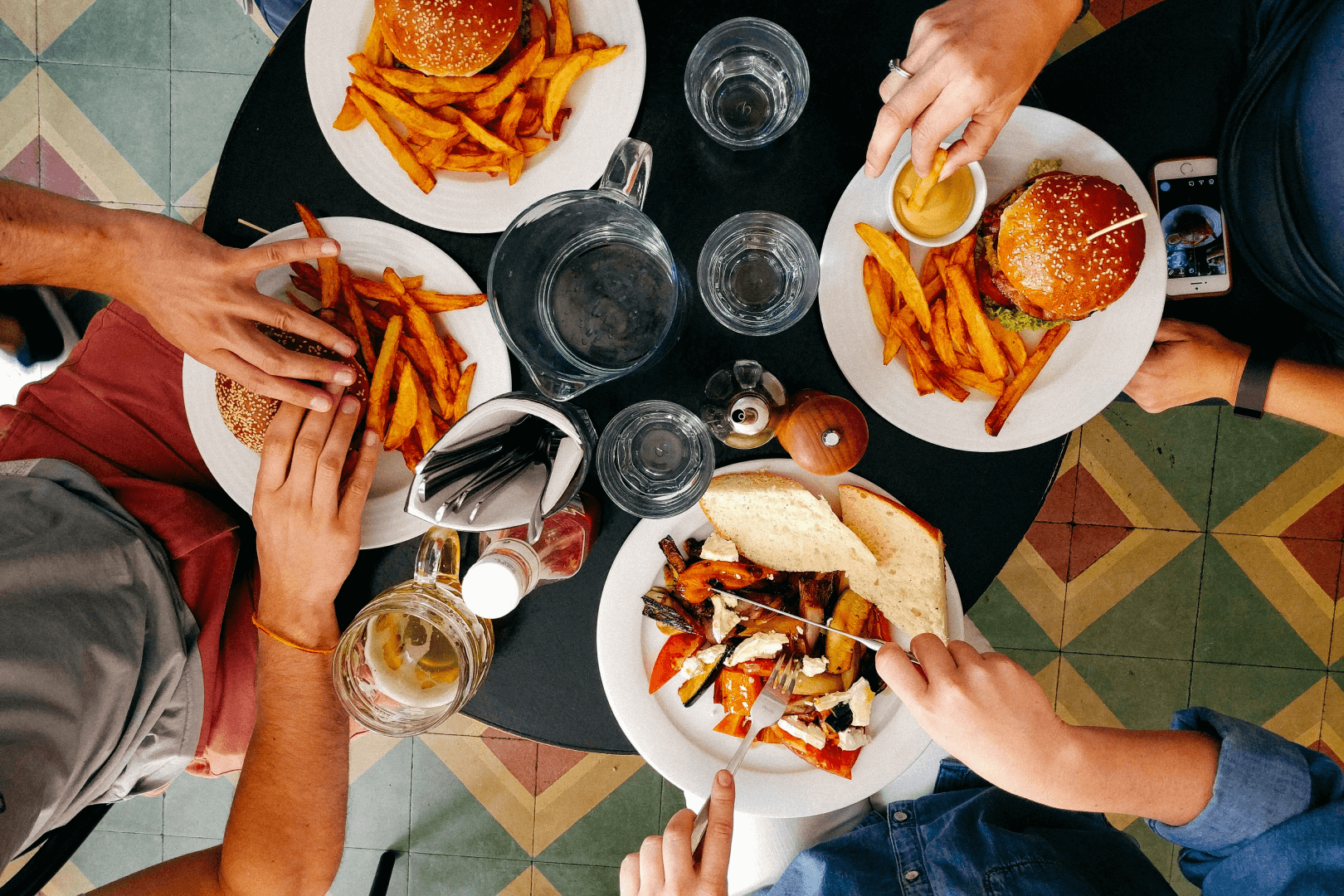

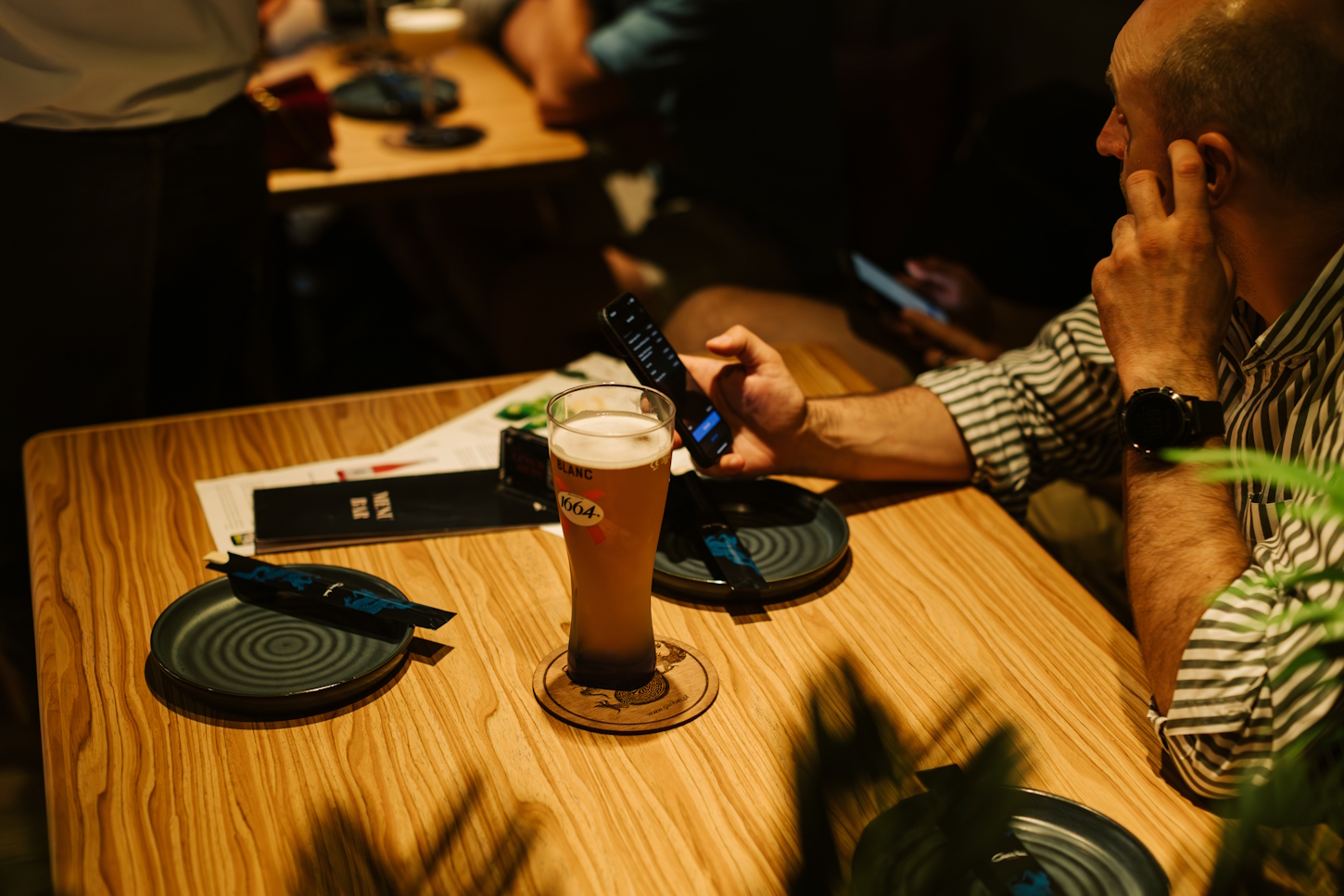
Restaurant waiting is not one problem. Guests may wait for a menu, wait to order, wait to add another item, wait for the bill or wait for a payment terminal.
QR ordering and pay-at-table target different parts of that journey. The value depends on where the venue's actual bottleneck sits.
Where QR ordering can reduce waiting
In service models where guest self-ordering fits, QR ordering lets guests browse and place an order when they are ready instead of waiting for the next staff interaction.
- menu access can start immediately after scanning
- modifiers and add-ons can be shown consistently
- repeat orders can be placed without finding a waiter, where enabled
- orders can connect to supported operational workflows
The impact varies by venue. A full-service restaurant, a café and a food hall will have different bottlenecks and different adoption patterns.
Where pay-at-table can reduce waiting
Checkout often contains several avoidable steps: asking for the bill, waiting for a terminal and then completing payment.
With QR pay-at-table, guests can open the payment flow from their phones and pay when they are ready. Where the setup supports it, the journey can include bill viewing, split payments and tipping.
Do not use universal table-turnover maths
It is tempting to claim that saving a fixed number of minutes always creates a predictable number of extra covers. Real operations are more complicated.
Table turnover depends on venue format, party size, demand, kitchen capacity, service style, reservation patterns and how long guests choose to stay. Removing checkout waiting creates capacity only when another guest is actually waiting for that capacity.
Measure the venue's own baseline
Useful before-and-after metrics include:
- time from seating or scan to first order
- time from payment intent to completed payment
- number of staff interventions required for repeat orders or checkout
- table turnover during comparable service periods
- guest feedback mentioning waiting or payment
Compare the same service periods and avoid turning one busy shift into a universal benchmark.
Match the product to the bottleneck
- If guests wait to see a menu, start with instant digital menu access.
- If guests wait to order or reorder, evaluate QR ordering.
- If guests wait to settle the bill, evaluate pay-at-table.
- If all three are problems, connect the journey rather than introducing separate tools.
Why GlobalTips works for faster table service
Let guests browse, order, pay, and tip from their phones with GlobalTips. QR ordering and payments remove avoidable waiting, while integrations with supported POS systems help your team keep service moving.
Connect the steps that slow down your venue. Book a demo to see the setup that fits your service model.